Our stay in Sacramento for this time around is wrapping
up. February 28th, we hit the road. By March 1st, we'll be in Yuma,
Arizona for a month, and then we start some
serious trekking east, eventually ending up in New England for a summer visit. Our original plans only
had us in Sacramento for about 5 weeks, arriving
in Yuma by
December 1st. But as fate would have it, a series of events intervened,
prolonging our stay to from 5 weeks, to four months. Happily, being retired and
living the lifestyle we do, adjustments like this are possible, and in this
case came with some happy outcomes: Dan's brother and sister-in-law are now
well on their way to full recovery from their serious motorcycle accident of
last August; Mindy & Milan have welcomed a second son (and my 7th
grandchild) into their family; Dan and I were able to spend lots of time
visiting with the kids and grandkids and were lucky enough to attend school
plays, soccer tournaments, Christmas programs, rugby matches, and share Thanksgiving
Day with family. No matter how long or how short we stay when coming to this
area, its hard to leave, hard to say goodbye. As always, we take away awesome
memories from our visit this time around. In no particular order, below are
some snapshots of our interlude from the road!


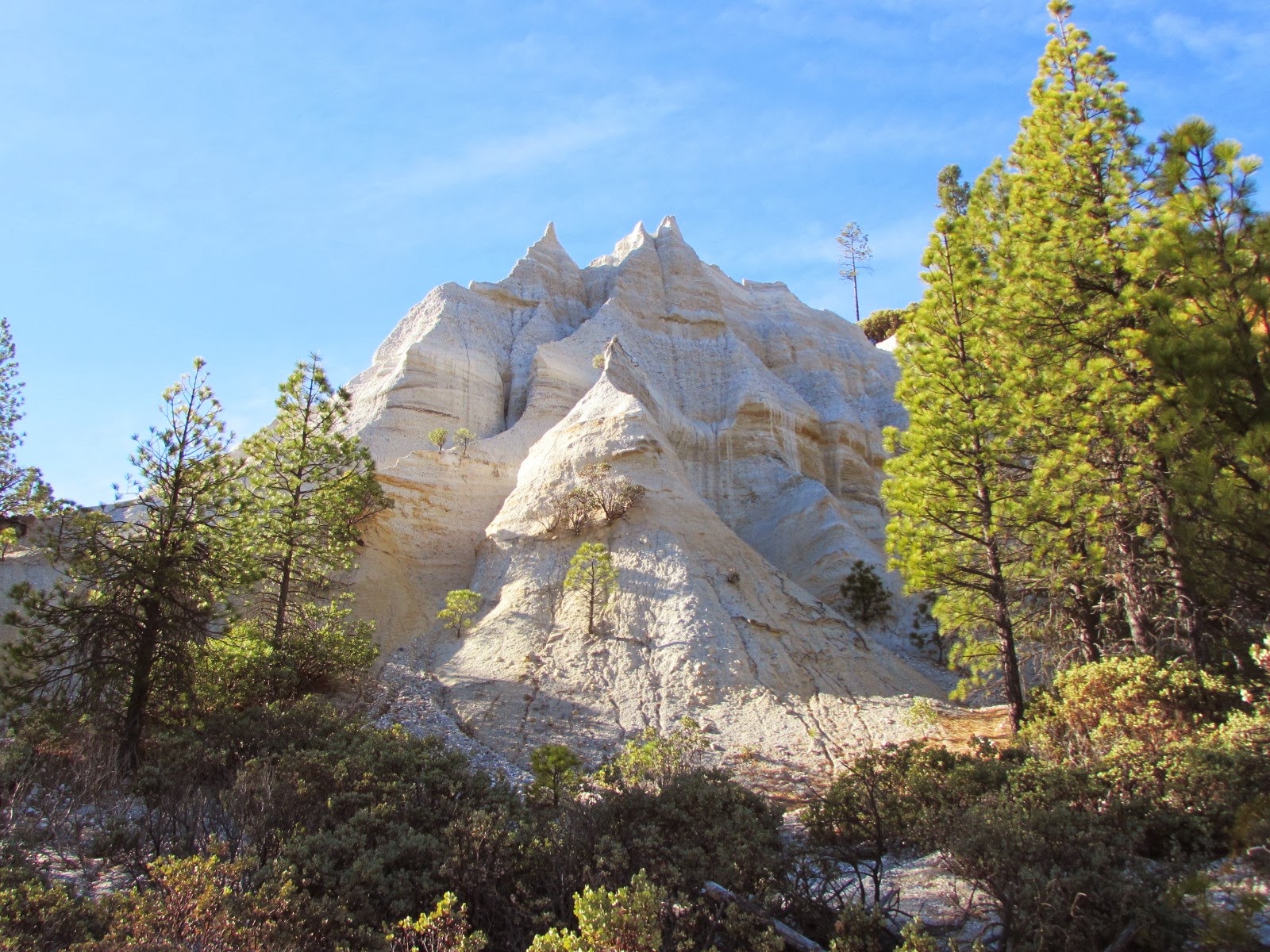
Still able to take advantage of the
unseasonably warm January weather this year, Dan and I, along with our hiking
friends, took a drive to the Malakoff Diggins State Historic Park, located 26
miles north-east of Nevada City, California, along Highway 49. In most Januaries,
it wouldn't be unusual for this area to be blanketed in snow, but on the day we
were there, it was warm enough to peel down to one layer during our hike. Malakoff
Diggins preserves the largest hydraulic mining site in California, and visitors can see huge cliffs
carved out by mighty streams of water, results of the mining technique of
washing away entire mountains of gravel to wash out the gold. While beautiful
in its own way, the Malakoff mine pit on the San Juan Ridge is a testimony to
the greed and avarice that was part of the California Gold Rush, and to one of
the nation's first environmental protection measures. In 1884, this method of
mining was declared illegal by the courts, but not before irreversible damage
had been done. Today, visitors like us can hike on miles of trails including
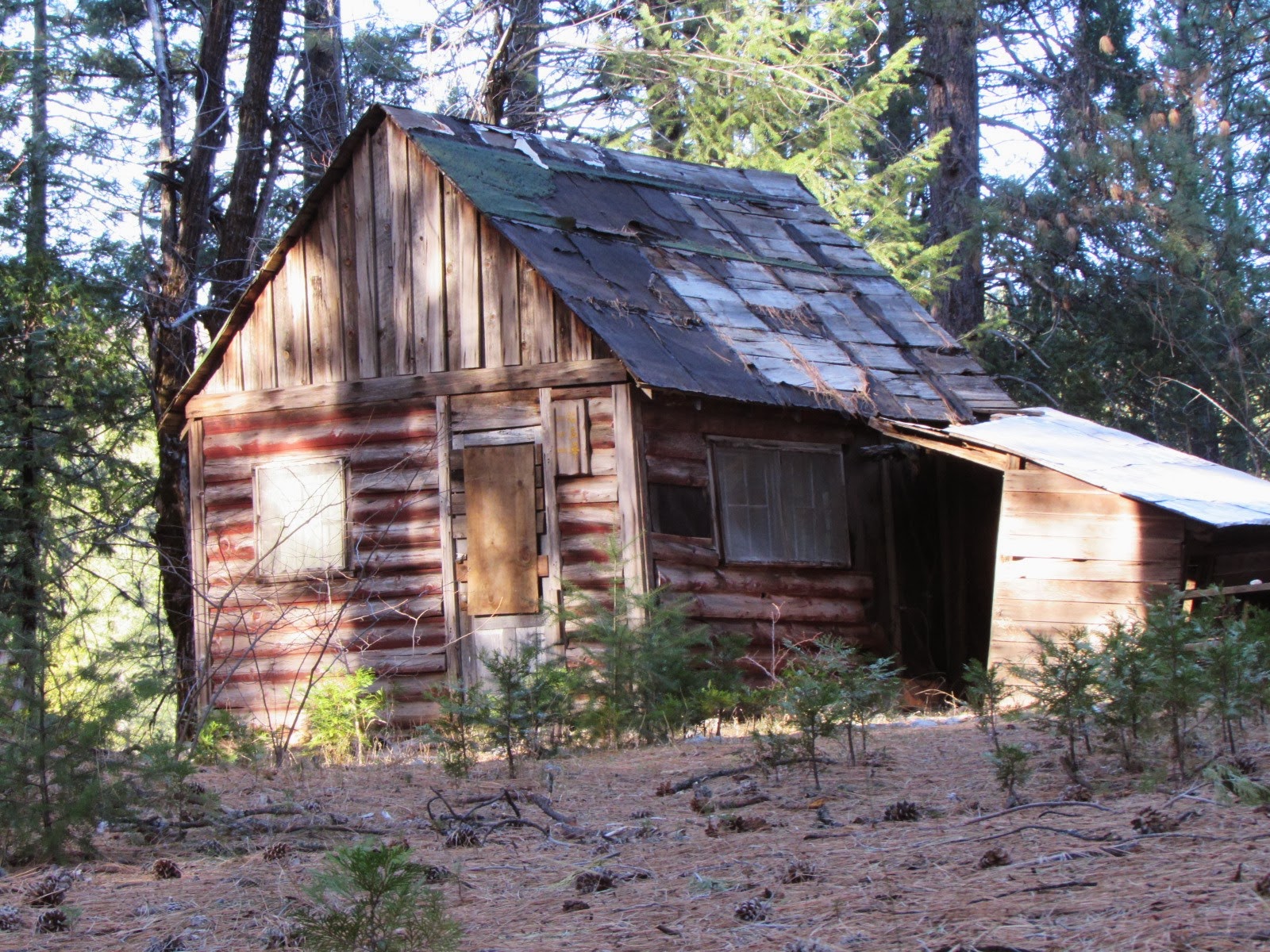
ducking into some of the tunnels where the water used to flow. The town of North Bloomfield,
preserved to depict life in this mid-1800's mining town, includes a visitor
center, museum, church, school, general store, and a furnished home. It was
fascinating to see how 130 years of natural restoration has started reshaping
this ravaged landscape.





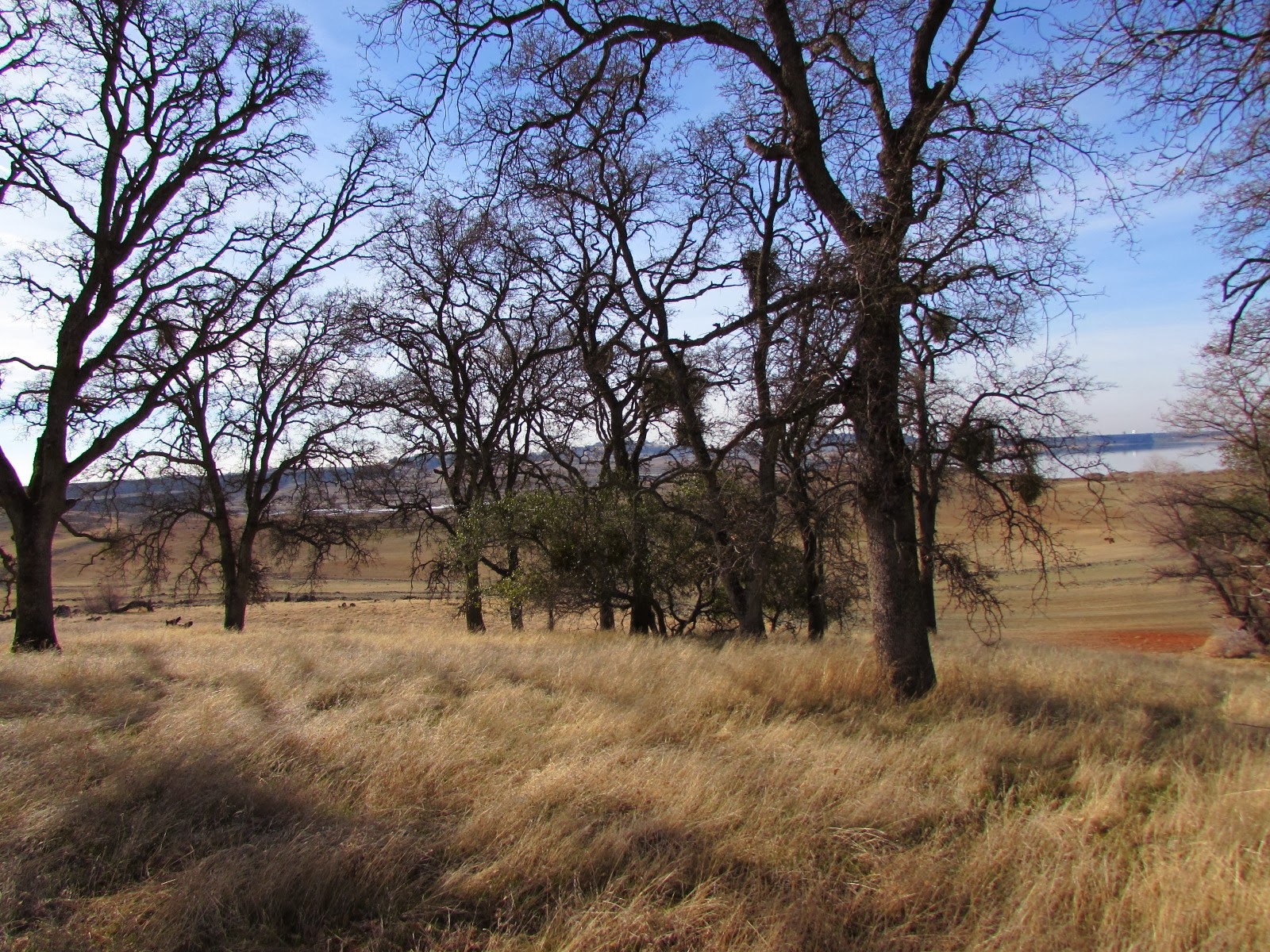
On just about everyone's mind in California nowadays is
the drought. Here in Sacramento, with 50 days and counting of no rain, with
record highs in January being broken almost daily, with Folsom Lake at
historically low levels, with the Sierra snow pack only 20% of normal for this
time of year, and Governor Jerry Brown officially declaring these conditions The
Drought, it's easy to understand the high level of concern in the region. Growing
up in Orangevale, Folsom's next-door neighbor, and living in the Sacramento
area most of my life, I've spent countless hours at Folsom Lake and the
surrounding waterways and recreational areas, camping, swimming, hiking, and
biking. On a recent sunny January day Dan and I decided to drive out to Brown's
Ravine in Folsom to see the changes for ourselves. Distressingly, the lake
looked more like a pond, the low levels quite alarming. We saw a parking lot
filled with dry-docked boats, the remnants of Mormon Island
normally under water, boat launch ramps that were yards and yards from the
water, and people swarming around where they would be swimming normally. Conditions
are quite worrisome, to say the least. Here are some snapshots that we may not,
hopefully not, have access to again.