Sunday, September 15, 2013

Hawaii Volcanoes National Park

Established in 1916, the Hawaii Volcanoes National Park is a big draw for visitors to The Big Island. It encompasses two active volcanoes, Kīlauea, one of the world's most active volcanoes, and Mauna Loa, the world's second most massive volcano. Kīlauea and its Halemaʻumaʻu caldera were traditionally considered the sacred home of the volcano goddess Pele, and Hawaiians visited the crater to offer her gifts.

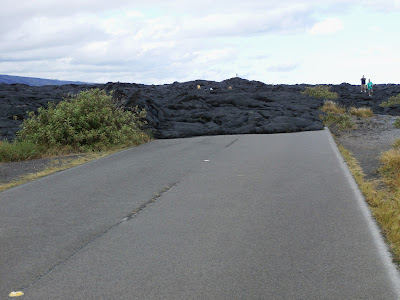
The park encompasses diverse environments that range from sea level lava-made coastlines, to the summit of Mauna Loa at 13,677 feet. Climates vary from lush tropical rain forests, to the arid and barren Ka'u Desert. Lava flows as recent as 2002 cover portions of the Chain of Craters Road that runs throughout the park, providing tourists unique picture taking opportunities.

The closest place to observe a volcanic eruption within the park at present is from the Halema'uma'u Crater, best viewed from the Jaggar Museum overlook. During daylight, the robust plume of volcanic gas is a constant and dramatic reminder of the molten rock churning in a lava lake beneath the crater floor. After sunset, Halema'uma'u continues to thrill visitors and park staff with a vivid glow that illuminates the clouds and the plume as it billows into the night sky.

Other noteworthy features within the park are the numerous steam vents, dotting the landscape with plumes of hot, slightly sulfuric steam emanating from deep beneath the ground; ancient underground lava tubes visitors can walk through like a cave; and the Pu'u Loa petroglyphs, a vast area covered with incredible images carved in the hardened lava.


Friday, September 13, 2013

Mauna Kea, Hawaii

Looking out the back windows of our Hilo rental we are able to gaze upon the towering peak of Mauna Kea. On clear days, we can even see the domes of several of the powerful telescopes stationed there. In the Hawaiian spiritual traditions all mountains on the Island are sacred, and Mauna Kea, towering at 13,803 feet above sea level, is considered one of the most sacred. With its high altitude, dry environment, and stable airflow, Mauna Kea's summit is one of the best sites in the world for astronomical observation, and one of the most controversial. Since the creation of an access road in 1964, thirteen telescopes funded by eleven countries have been constructed at the summit. Their construction on a sacred landscape replete with endangered species and ongoing cultural practices, continues to be a topic of debate and protest. Still, many people consider a visit to Mauna Kea a must when visiting the Big Island. The heartiest of visitors who are willing to battle the effects of extremely high elevations have the option of driving, hiking, or traveling with a tour group to the summit, or stopping at 9200 feet at the Onizuka International Astronomy Information Station and Visitors Center. With some of the clearest and darkest night skies anywhere on the planet, the Visitors Center has a nightly stargazing program led by volunteer astronomers using laser pointers to pinpoint and explain the constellations and brightest visible objects in the sky. Telescopes are pointed at various objects in the night sky, including open clusters, globular clusters, double stars, nebulae, planets, galaxies and supernova remnants. Dan and I opted to attend the stargazing program one evening, and timed it so we would be there early enough to watch the stunning into-the-clouds sunset. The temperature at these elevations can get quite cold (it even gets snow at times), as you might have guessed by looking at the pictures below.


Sunday, September 8, 2013

Boiling Pots, Hilo, Hawaii

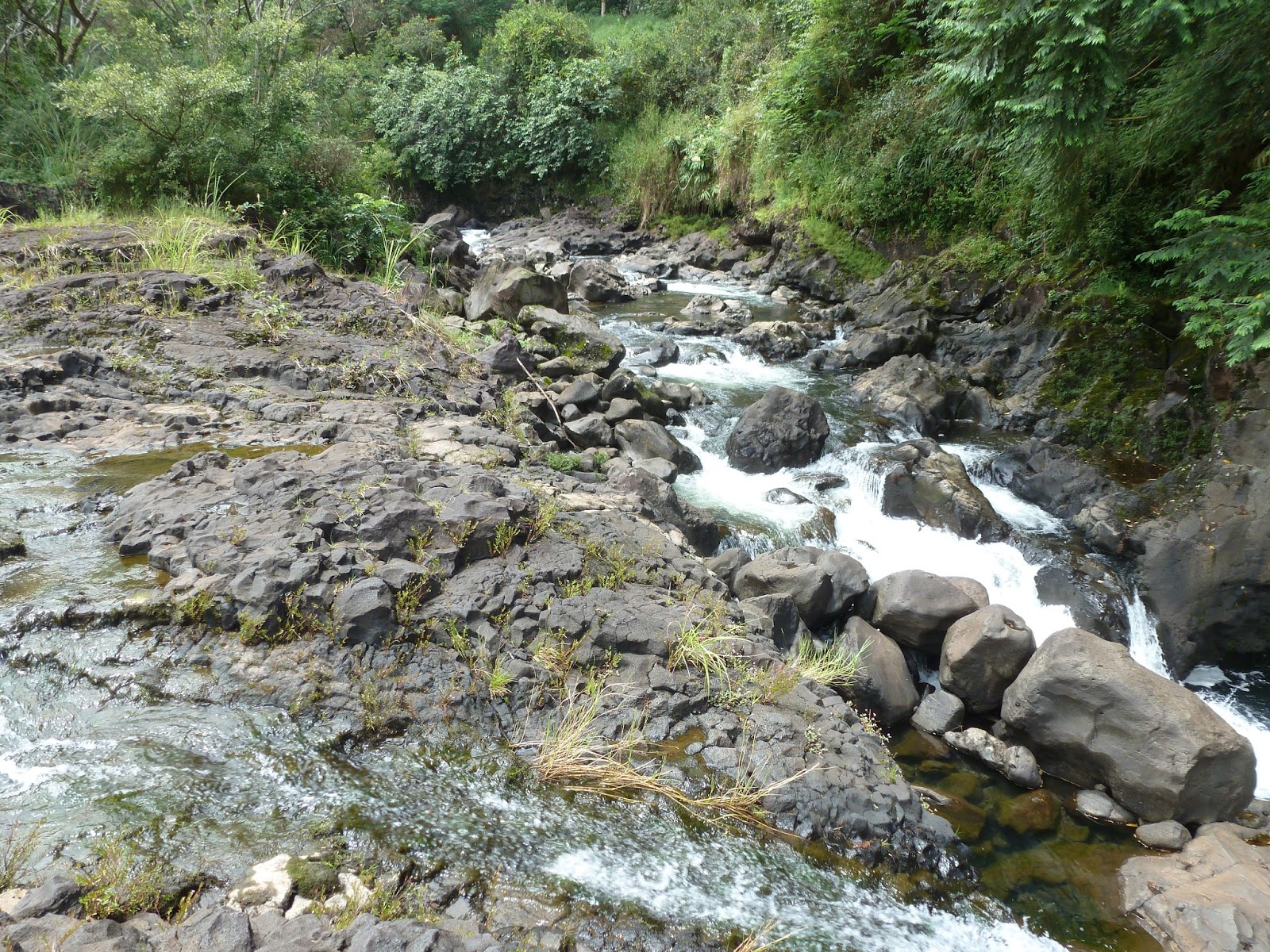
Just up the road from Rainbow Falls is the Boiling Pots, a succession of bubbling pools lined by hexagonal columns of basalt lava and connected by underground flow. During times of heavy rain, the river churns up from beneath a level of old and solidified lava, sometimes quite suddenly, as if the "pots" were boiling over.  Boiling Pots is part of the Wailuku River State Park, and like all state parks in Hawaii, there is no admission fee. The Pe'e Pe'e Falls, a beautiful five-spouted waterfall on the Wailuku River, cascades dramatically into the portion of the river that leads to the Boiling Pots. The "pots" are visible from the parking area, but you can also hike down the trail to the water's edge if you don't mind trekking through rather high grass and steep rocky inclines to get there. Dan took the trail down for a closer look, while I chose to stay in the viewing platform.


Hawaii Tropical Botanical Gardens

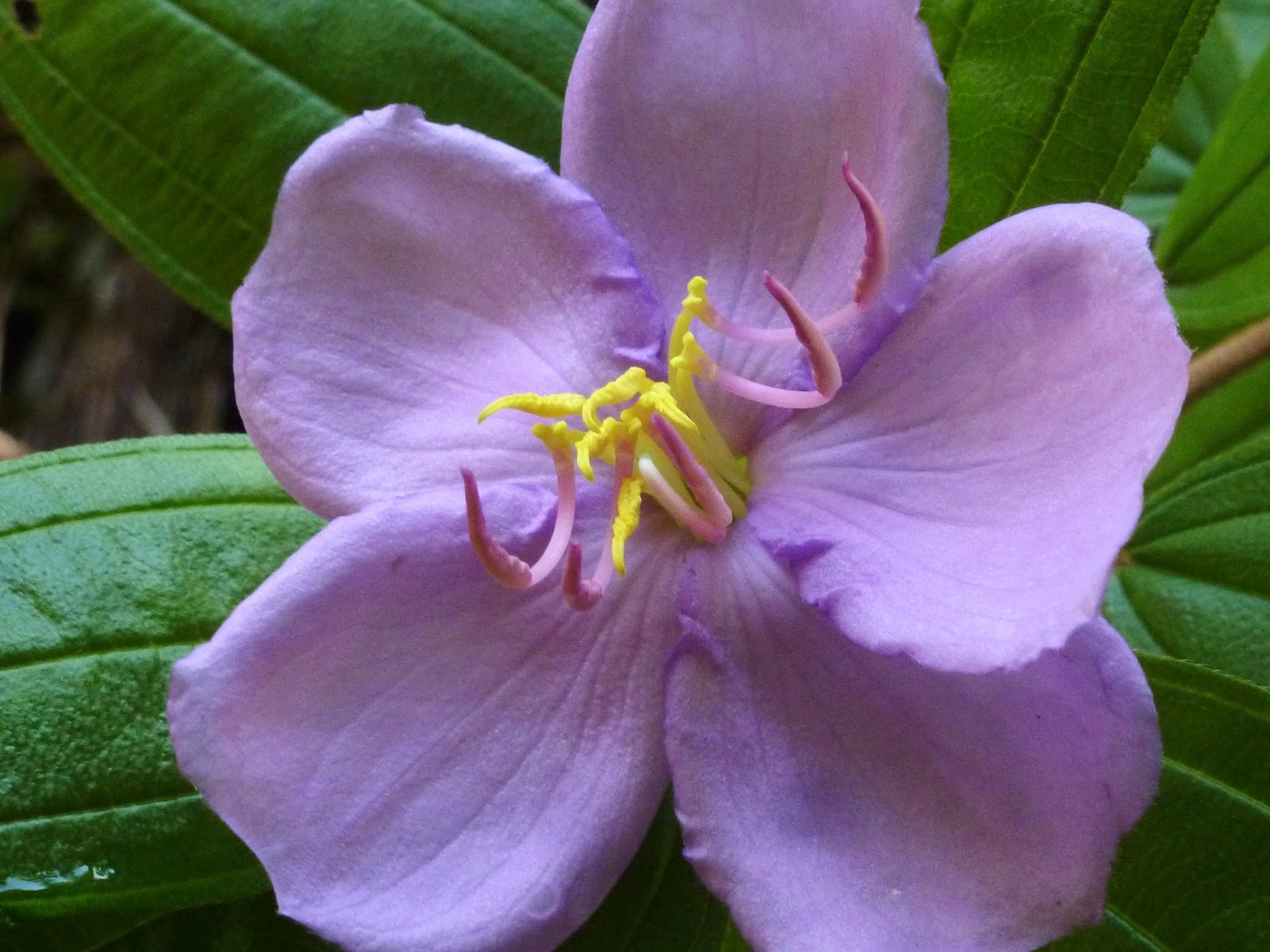
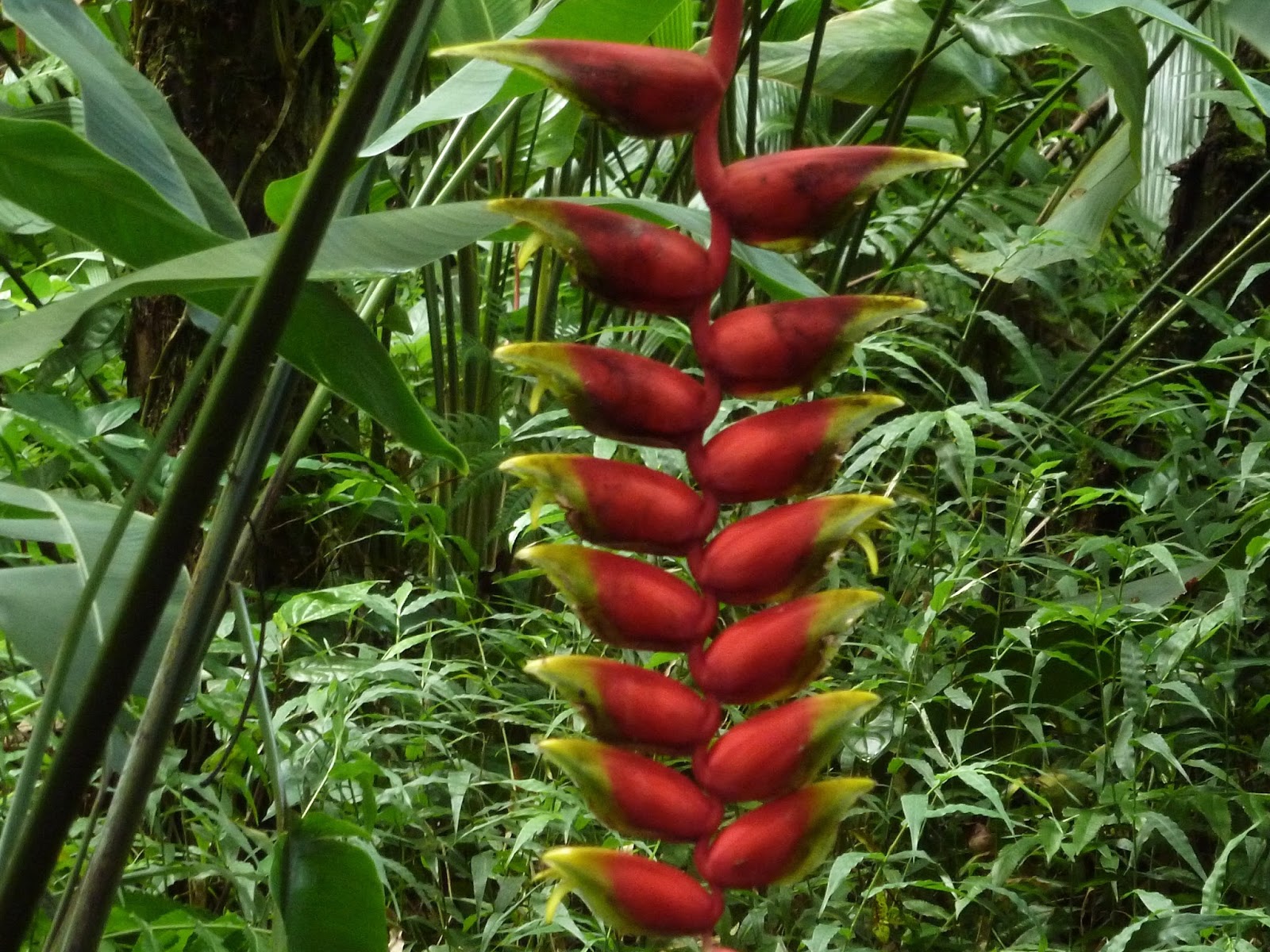
It's hard to say whether waterfalls or botanical gardens are more abundant in Hawaii, but it would be a shame to come all this way and not take advantage of both. Our first botanical garden visit this trip was to the Hawaii Tropical Botanical Gardens and was time well spent. The 40-acre valley is a natural greenhouse, protected from buffeting trade winds and blessed with fertile volcanic soil. Nature trails meander through a true tropical rainforest, crossing bubbling streams, passing several waterfalls, and encompassing ocean vistas along the rugged Pacific coast. With over 2,000 species of plants, representing more than 125 families and 750 genera, it was not a surprise that we came home with over 200 pictures on our camera. It was almost impossible to choose which ones to include in this post, but I managed to keep the count under 30!