In 2007 Dan and I retired from work, hitched our 5th wheel to our truck, and hit the road. We are full time RV'ers so we take our home with us everywhere we go. We live by the credo "Home Is Where You Park It" and we have found Home in many an awesome setting! I created this blog to track our adventures as we travel around the US, Canada, and Mexico. Two of our goals include visiting all the State Capitals and as many of the Baseball Parks as possible, with everything else we can fit in between!
Showing posts with label Hot Springs. Show all posts
Wednesday, June 26, 2013
Lassen Volcanic National Park
Our next stop after leaving Sacramento on June 2 was just up the road to Chico , California .
Dan's oldest Granddaughter was graduating high school this year, and we
wanted to be there to help her celebrate this most important occasion. Since
the Lassen Volcanic National Park (LVNP) is only about 70-miles from Chico , we decided to drive
to the park for a day trip of hiking and exploration. LVNP is home to smoking
fumaroles (steam vents), thumping mud pots, boiling pools, meadows filled with
wildflowers, mountain lakes, streams, and waterfalls, not to mention the numerous
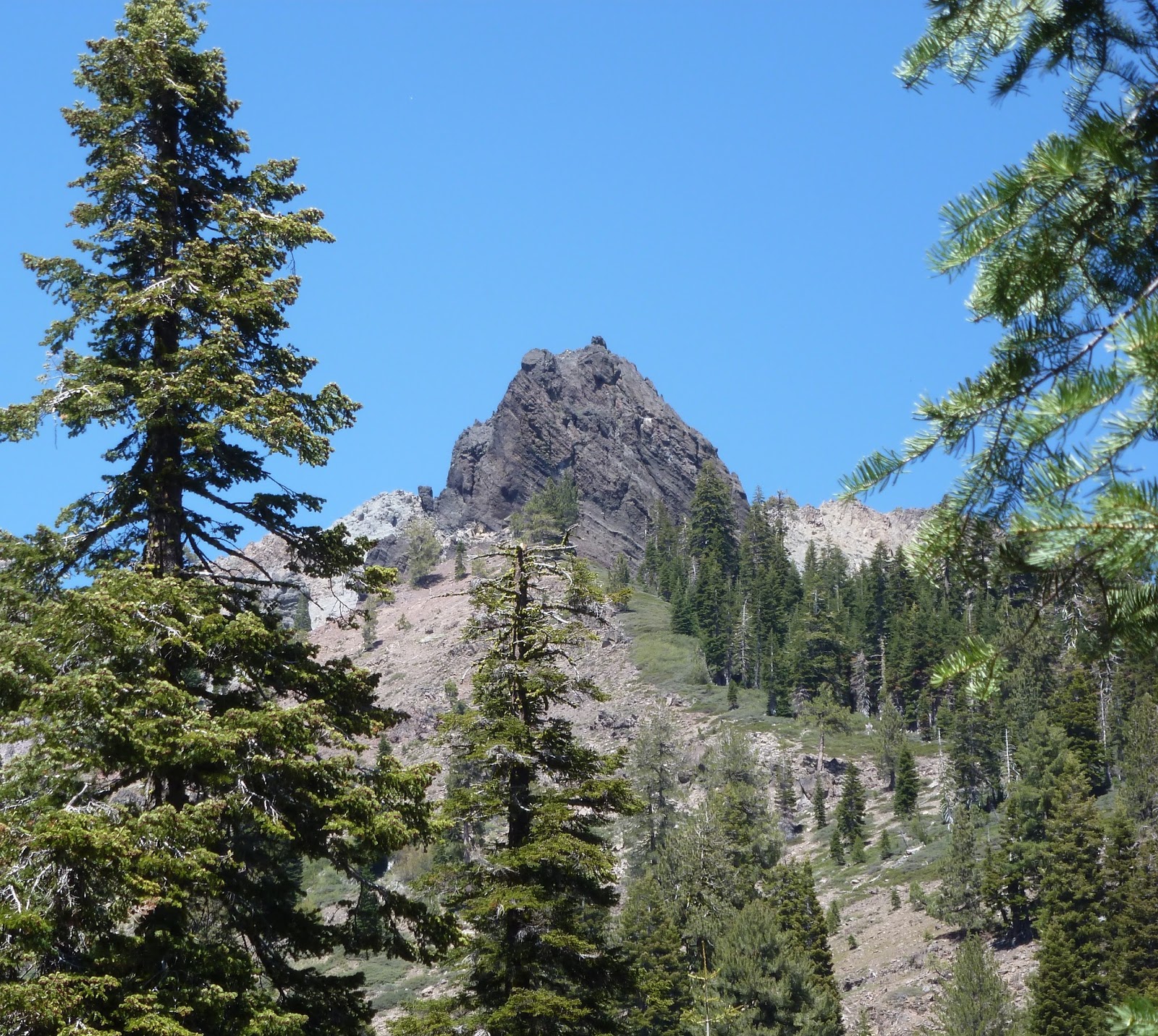
volcanoes. The jagged peaks throughout the park give visitors a clue to
eruptive past of this region, while hot water continues to mold the landscape. Water
from rain and snow that falls on the highlands of the park feed the
hydrothermal system. Once deep underground, the water is heated by a body of
hot or molten rock beneath Lassen Peak . Rising
hot water boils to form boiling pools and mud pots. Super-heated steam reaches
the surface through fractures in the earth to form fumaroles such as those
found at Bumpass Hell and Sulphur Works. These features are related to active
volcanism and are indications of the ongoing potential for further eruptions from the from the Lassen volcanic center. During our visit we
hiked to the Sulphur Works to see the geothermal activities, had a picnic lunch
in the trees, then hiked to Mill
Creek Falls .
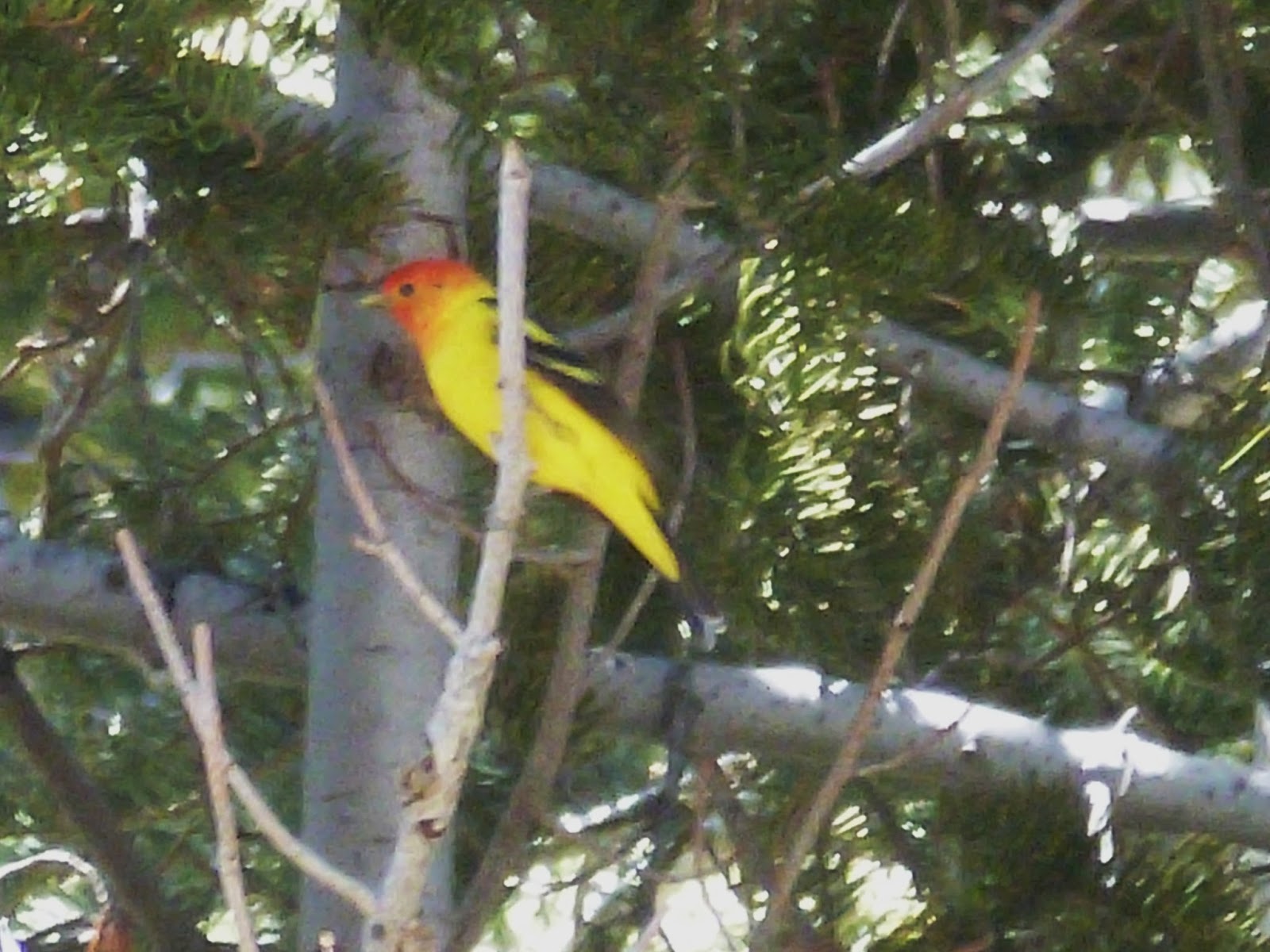
We were treated to beautiful wildflowers, colorful birds, including a Western
Tanager, and a pristine hiking trail. Here are some snapshots from our day.
Wednesday, April 22, 2009
Hot Springs, Arkansas
Our first stop out of Livingston, Texas was Hot Springs, Arkansas. We arrived Tuesday afternoon and decided to stay one day to explore before moving on. First we drove to the top of Hot Springs Mountain for an expansive view of the city below. We saw many possible hiking trails, perhaps for another visit when we can stay longer. Back down to historic Hot Springs and Bathhouse Row for a tour and some history of the area.
Hot Springs takes its name from the natural thermal water that flows from 47 springs on the western slope of Hot Springs Mountain into the historic downtown district of the city. (And what is really interesting is that Hot Springs National Park is actually right in the middle of downtown Hot Springs, surrounded by businesses and a busy highway.) About a million gallons of 143-degree water flow from the springs each day. The rate of flow is not affected by fluctuations in the rainfall in the area. Studies by National Park Service scientists have determined through carbon dating that the water that reaches the surface in Hot Springs fell as rainfall 4,000 years earlier. The water percolates very slowly down through the earth’s surface until it reaches superheated areas deep in the crust and then rushes rapidly to the surface to emerge from the 47 hot springs.
People have used the hot spring water in the therapeutic baths for more than 200 years to treat rheumatism and other ailments, although bathing in the spring water now is available in approved facilities only. Bathhouse Row consists of eight turn-of-the-century historic buildings. Two of the bathhouses remain in operation today – The Buckstaff, currently the sole bathhouse operating in its original capacity, and the Quapaw which was reopened in 2008 in a modern co-ed setting. Another bathhouse, the Fordyce, has been converted into a museum to give tourists a glimpse into the fascinating past of the city. As I was touring the “treatment” rooms at the Fordyce, I was reminded more of visions of water torture at sanitariums than of relaxing spa treatments. I’m too accustomed to the modern Day Spa concept, I guess!
The pictures here include the exterior of Buckstaff Baths; one of the treatment rooms in historic Fordyce; the Hot Springs National Park entrance sign; Dan at the summit of Hot Springs Mountain; the Grand Promenade trail that winds around behind the bathhouses; the Hubbard Tub that was used to treat various ailments at Fordyce; a stain glass ceiling in the men’s bath at the Fordyce.
Hot Springs takes its name from the natural thermal water that flows from 47 springs on the western slope of Hot Springs Mountain into the historic downtown district of the city. (And what is really interesting is that Hot Springs National Park is actually right in the middle of downtown Hot Springs, surrounded by businesses and a busy highway.) About a million gallons of 143-degree water flow from the springs each day. The rate of flow is not affected by fluctuations in the rainfall in the area. Studies by National Park Service scientists have determined through carbon dating that the water that reaches the surface in Hot Springs fell as rainfall 4,000 years earlier. The water percolates very slowly down through the earth’s surface until it reaches superheated areas deep in the crust and then rushes rapidly to the surface to emerge from the 47 hot springs.
People have used the hot spring water in the therapeutic baths for more than 200 years to treat rheumatism and other ailments, although bathing in the spring water now is available in approved facilities only. Bathhouse Row consists of eight turn-of-the-century historic buildings. Two of the bathhouses remain in operation today – The Buckstaff, currently the sole bathhouse operating in its original capacity, and the Quapaw which was reopened in 2008 in a modern co-ed setting. Another bathhouse, the Fordyce, has been converted into a museum to give tourists a glimpse into the fascinating past of the city. As I was touring the “treatment” rooms at the Fordyce, I was reminded more of visions of water torture at sanitariums than of relaxing spa treatments. I’m too accustomed to the modern Day Spa concept, I guess!
The pictures here include the exterior of Buckstaff Baths; one of the treatment rooms in historic Fordyce; the Hot Springs National Park entrance sign; Dan at the summit of Hot Springs Mountain; the Grand Promenade trail that winds around behind the bathhouses; the Hubbard Tub that was used to treat various ailments at Fordyce; a stain glass ceiling in the men’s bath at the Fordyce.
Sunday, June 15, 2008
Chena Hot Springs
Chena Hot Springs Resort is about 60 miles from Fairbanks, and one of the “local” attractions recommended for visitors. It was cold the day we decided to visit, which made the prospects of emerging myself into a steaming hot bath of natural spring water that much more inviting. The drive was absolutely beautiful, with the highway winding through the Chena River Recreation Area, and we saw trumpet swans and a moose along the way. Once we arrived, we discovered that the resort was very rustic, as many places in Alaska seem to be. A natural hot spring has been channeled into an outdoor pool with a sand bottom and big rocks all around the sides. The water was about 106 degrees, and smelled strongly of sulfur. But since it was only 40 degrees at the Hot Springs that day, it felt very good! The busiest time at the resort is in the winter when the Northern Lights are easily seen. They get a lot of Japanese tourists who fly in just to view the Northern Lights in the Hot Springs setting. We won’t see the Northern Lights over the summer since it never gets dark enough, but we enjoyed the water just the same.
Subscribe to:
Posts (Atom)